Government urges entire population to stop all nonessential activity for 24 hours each quarter; economists call it “a risky experiment in national idleness.”
OTTAWA — In a policy move described by supporters as “audaciously calm,” the federal government announced the creation of “Citizen Pause Day,” a recurring quarterly holiday during which all nonessential work, commerce, and digital communication will cease for 24 hours. The program, which begins in January, aims to combat burnout, anxiety, and what officials termed “the chronic hum of constant participation.”
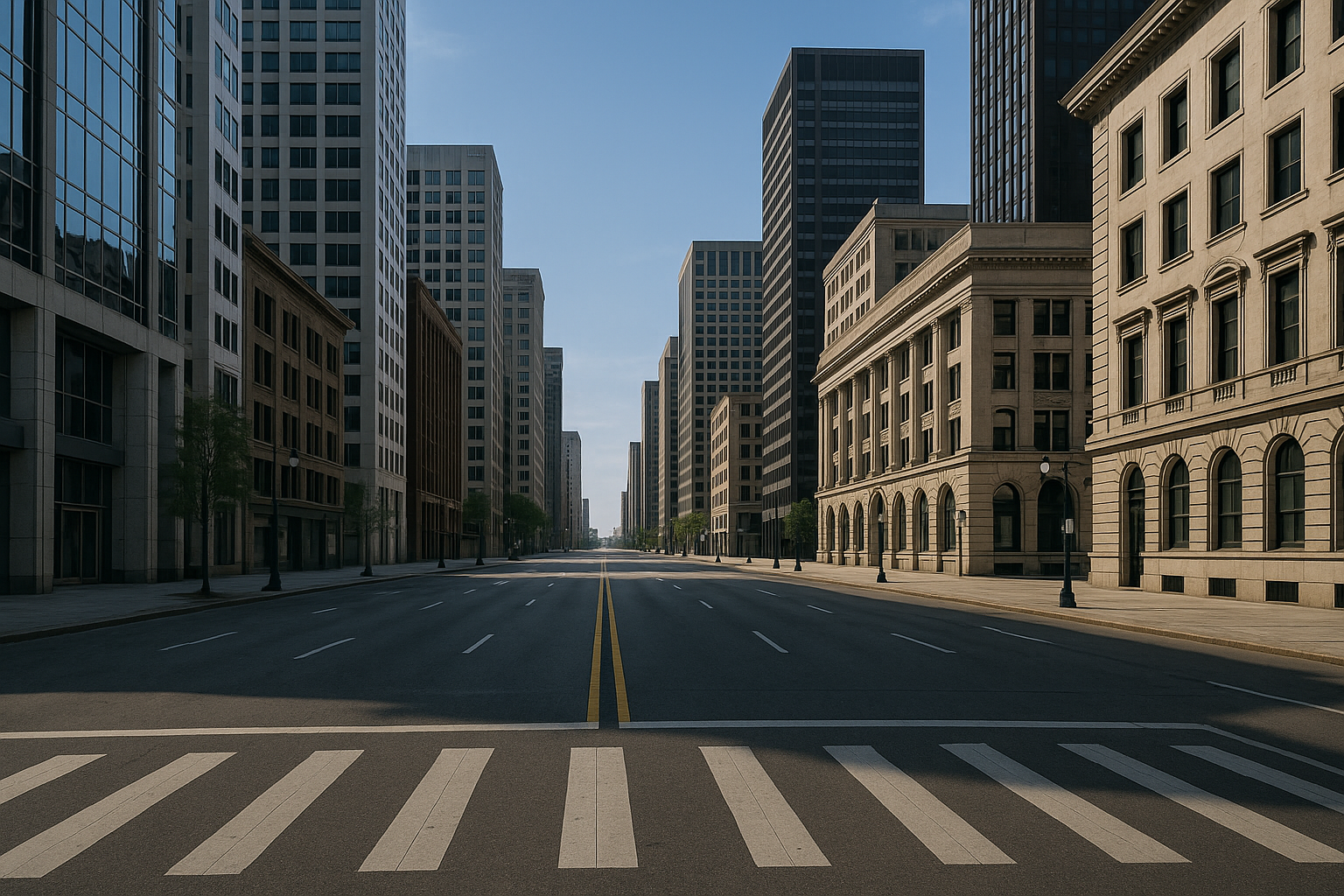
Under the new framework, every third Friday of the quarter will see a mandated nationwide shutdown of offices, schools, and online services not deemed critical to safety or infrastructure. Social media platforms operating within Canadian jurisdiction will be required to “gray out” access, limiting use to emergency communication only. The government’s statement described the day as “a reset of collective bandwidth.”
Early response from the public has been a blend of enthusiasm, suspicion, and logistical confusion. Several major retailers have questioned how to handle perishable goods, while gig-economy platforms have asked whether “pause compliance” extends to independent contractors. Officials confirmed it does. “If the goal is to stop,” a Ministry of Labour representative said, “then everyone stops.”
The initiative stems from a three-year study by the National Institute of Mental Sustainability, which found that average Canadians now spend 92 percent of waking hours “engaged with an interface,” whether physical or digital. “It’s not just exhaustion,” one policy memo explained. “It’s attention debt.” Researchers linked this overstimulation to reduced empathy, impulsive policy decisions, and a measurable decline in the ability to “sit still without unlocking something.”
Not everyone is convinced. The Canadian Chamber of Commerce issued a cautious statement calling the plan “economically experimental,” estimating a $1.6 billion dip in GDP for each pause day. In response, the Treasury Department countered that reduced burnout would yield “significant long-term productivity dividends,” citing pilot studies from Iceland and Japan where shorter workweeks improved national output.
Tech industry leaders have expressed unease at the enforced digital downtime. One unnamed executive from a major social platform warned of “withdrawal effects” among users accustomed to constant connectivity. Meanwhile, meditation app companies are reportedly lobbying to be classified as “essential,” arguing that their services promote exactly the kind of mindfulness the policy intends to encourage.
Civic organizations, however, have applauded the move as a restoration of “temporal commons.” Several environmental groups noted that similar “pause periods” during the pandemic years resulted in measurable declines in emissions and noise pollution. Economists at the University of Toronto suggested that the enforced inactivity could produce “a national quiet,” during which energy consumption may drop by as much as eight percent.
In preparation, the federal government plans to deploy a multilingual public campaign titled Do Nothing, Together, emphasizing the value of shared stillness. Citizens will be encouraged to spend the day without screens, commerce, or “forward movement.”
As one briefing document summarized: “For one day, the country will stop trying to be efficient — and in that stillness, remember why it wanted to be.”
The first Citizen Pause Day is scheduled for January 17, 2026. The government has not yet announced whether transit systems will run, but sources say officials are “leaning toward no.”